Your jewelry deserves packaging that matches its quality. But when you are running a small business, spending $15 per box on a 200-piece order feels impossible. The good news: premium jewellery packaging for small businesses does not require premium budgets anymore.
The jewellery packaging market hit $5.2 billion in 2026, and small brands are driving much of that growth. Independent jewellers on Etsy, Shopify, and Instagram now compete directly with established houses. The difference between a $40 sale and a $120 sale often comes down to perceived value, and packaging is the fastest way to shift that perception.

This guide breaks down 10 proven packaging strategies that small jewellery businesses use to look established, build brand recognition, and create repeat customers, all while keeping costs between $1.50 and $5 per unit.

Key Takeaways
- Custom jewelry packaging starts at 100 pieces MOQ with factory-direct manufacturers, making it accessible for small brands
- Spending $2-4 per unit on packaging can increase perceived product value by 30-50%
- Strategic material choices (like textured paper over plain cardboard) create a luxury perception without luxury costs
- Consistent branded packaging builds recognition faster than any social media campaign
- The best small-business packaging designs are also ship-safe and Instagram-ready
Why Jewelry Packaging Matters More for Small Brands Than Big Ones
Tiffany does not need their blue box to sell a ring. Their reputation does the heavy lifting. But when a customer discovers your brand for the first time through an Instagram ad or a craft market, your packaging IS your reputation.
Here is what the data shows:
72% Some consumers say packaging design influences their purchase decision
40% Many shoppers share beautifully packaged items on social media
25-40% increase in repeat purchase rates when brands invest in premium packaging
30-50% perceived value jump with custom-branded boxes versus generic alternatives
For small jewellery businesses, packaging serves triple duty: it protects your product, markets your brand, and creates the emotional connection that turns a one-time buyer into a loyal customer.
The real question is not whether you can afford good packaging. It is whether you can afford not to have it.

10 Jewelry Packaging Ideas for Small Businesses (Ranked by Impact vs. Cost)
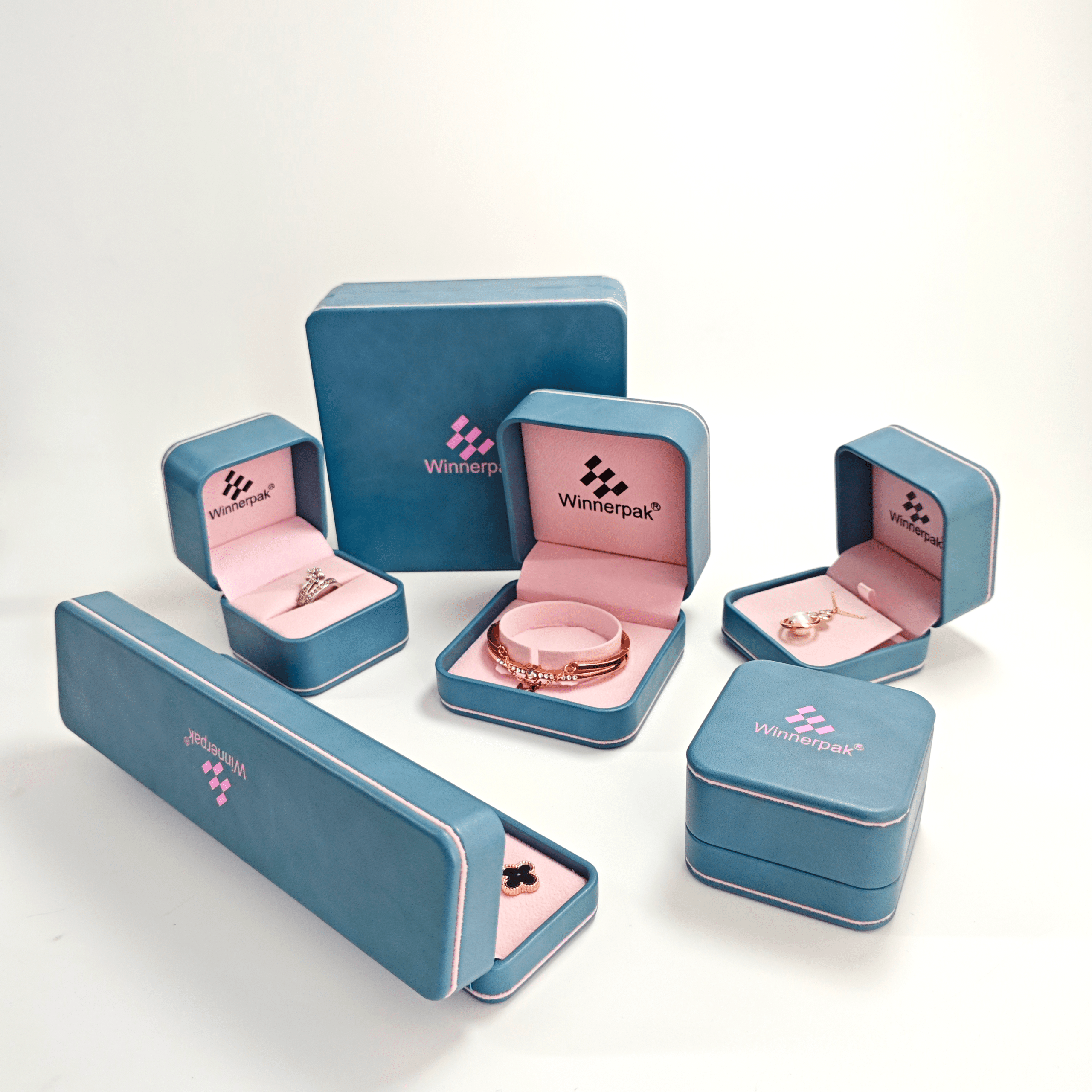
1. Custom Printed Rigid Boxes with Magnetic Closure
Cost range: $0.70-2.50 per unit at 500 pieces
Best for: fine jewellery, engagement rings, statement pieces
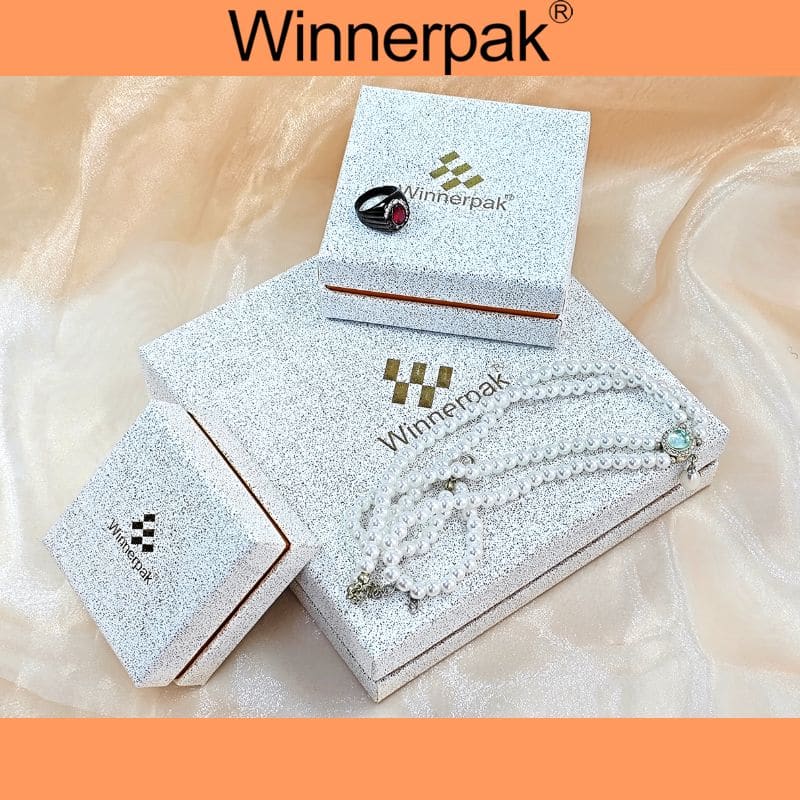
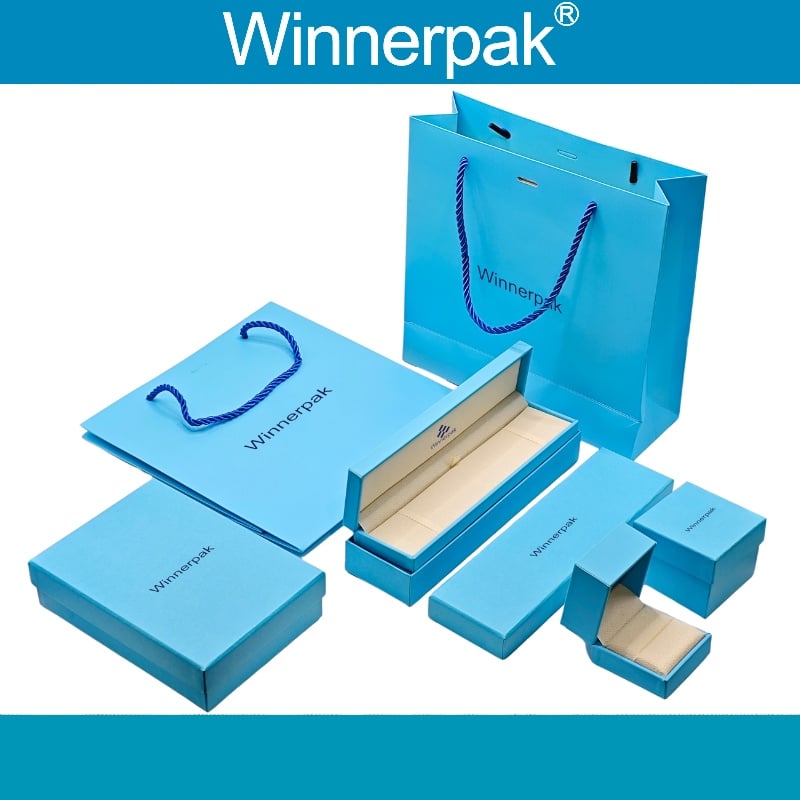
The magnetic closure box is the gold standard for small jewellery brands that want to punch above their weight. The satisfying snap of a magnetic lid creates an instant quality signal that customers associate with luxury houses.
What makes this work for small brands: you do not need 10,000 units anymore. Factory-direct manufacturers now offer custom jewellery boxes starting at 500 pieces with full Pantone colour matching and logo stamping.
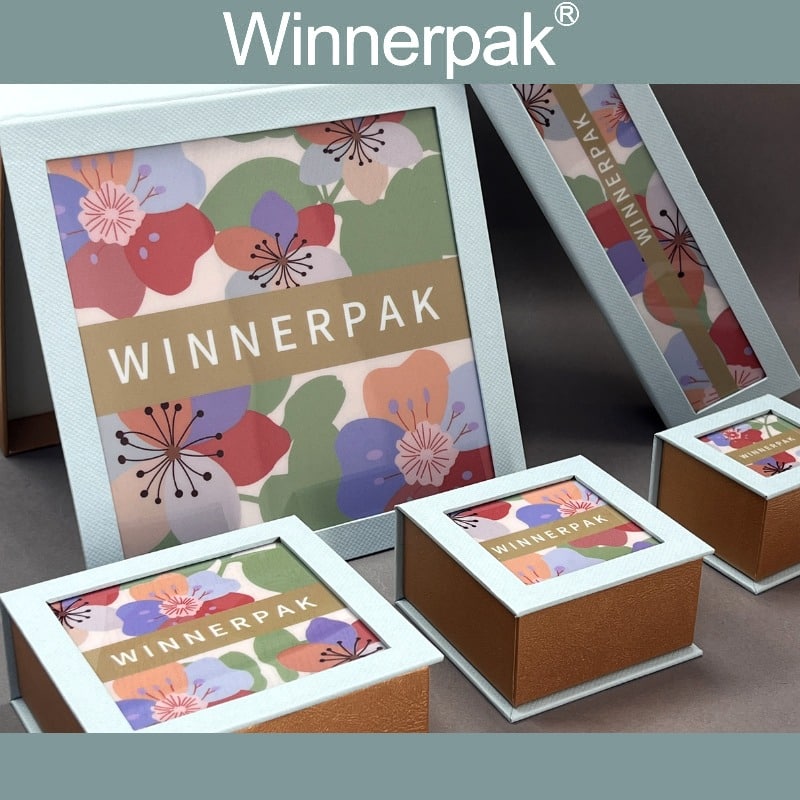
Design tip: Choose a matte finish over gloss. Matte photographs are better for social media, hide fingerprints, and read as more sophisticated. Add a single foil-stamped logo on the lid for a finishing touch that costs just $0.15-0.30 extra per unit.
2. Velvet Pouches with Embroidered or Foil-Stamped Logo
Cost range: $0.80-2.00 per unit at 500 pieces
Best for: Stud earrings, delicate necklaces, gift add-ons, budget-conscious launches
Velvet jewellery pouches are the smartest first investment for a new jewellery brand. They are affordable, they ship flat (saving on logistics), and they create instant vintage glamour, which is a major 2026 trend.
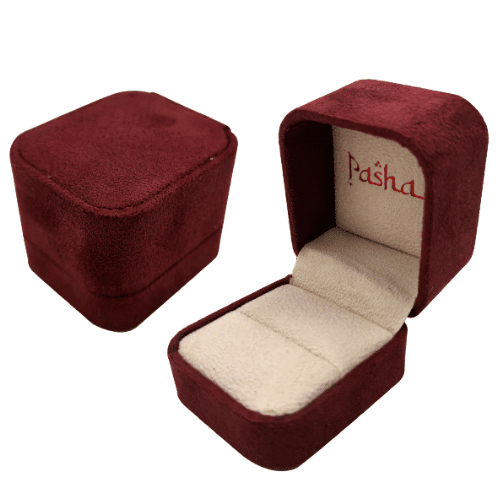
The vintage revival means velvet is back in a big way. Pair a rich burgundy or forest green velvet pouch with a gold-foil-stamped logo, and you have created packaging that feels like a royal heirloom for under $2 per unit.
Design tip: Use a drawstring closure rather than a snap. It feels more handcrafted and lets the pouch double as long-term storage, which is exactly what 2026 buyers want.

3. Drawer-Style Eco Boxes (Sustainable Luxury)
Cost range: $2.00-3.50 per unit at 500 pieces
Best for: Eco-conscious brands, gift-focused collections, premium positioning at mid-tier pricing
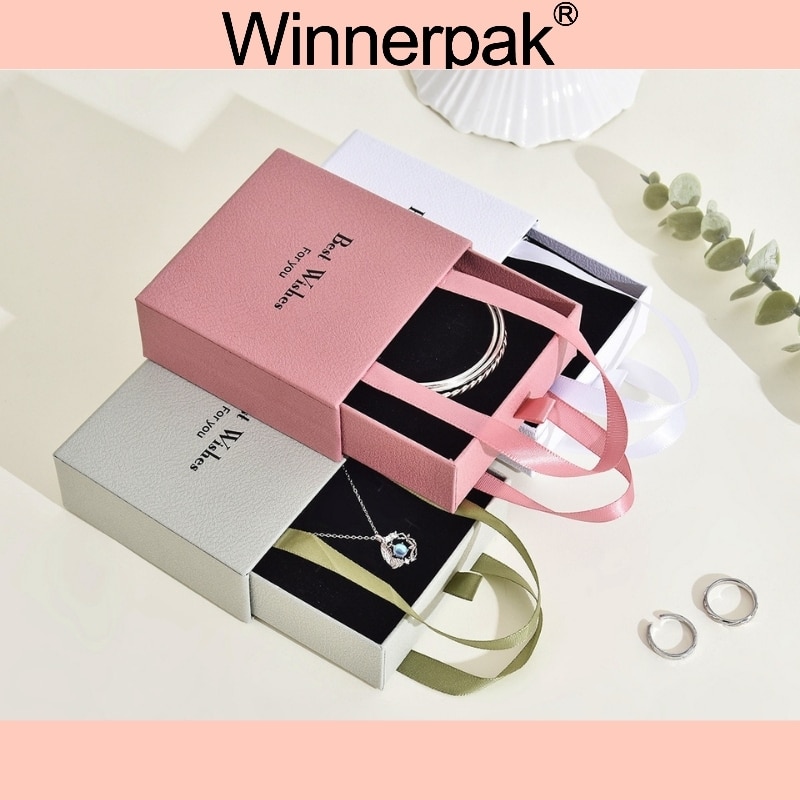
Drawer-pull boxes deliver the most “luxury feel per dollar” of any structural packaging design. The slow reveal creates an unboxing moment that customers actually film. And when made from FSC-certified paper with soy-based inks, they satisfy both your design ambitions and your sustainability goals.
This is where small brands can actually beat big competitors. Established jewellery houses are often locked into legacy packaging contracts. As a small brand, you can move fast and adopt eco-friendly luxury materials that resonate with modern buyers.
Design tip: Add a custom-cut foam or moulded fibre insert. The piece sits perfectly in place, the customer feels the precision, and your product looks intentional rather than just dropped into a box.

4. Kraft Paper Boxes with Custom Sticker Branding
Cost range: $0.60-1.50 per unit at 200 pieces
Best for: Bohemian brands, handmade collections, eco-positioned products, ultra-startup phase
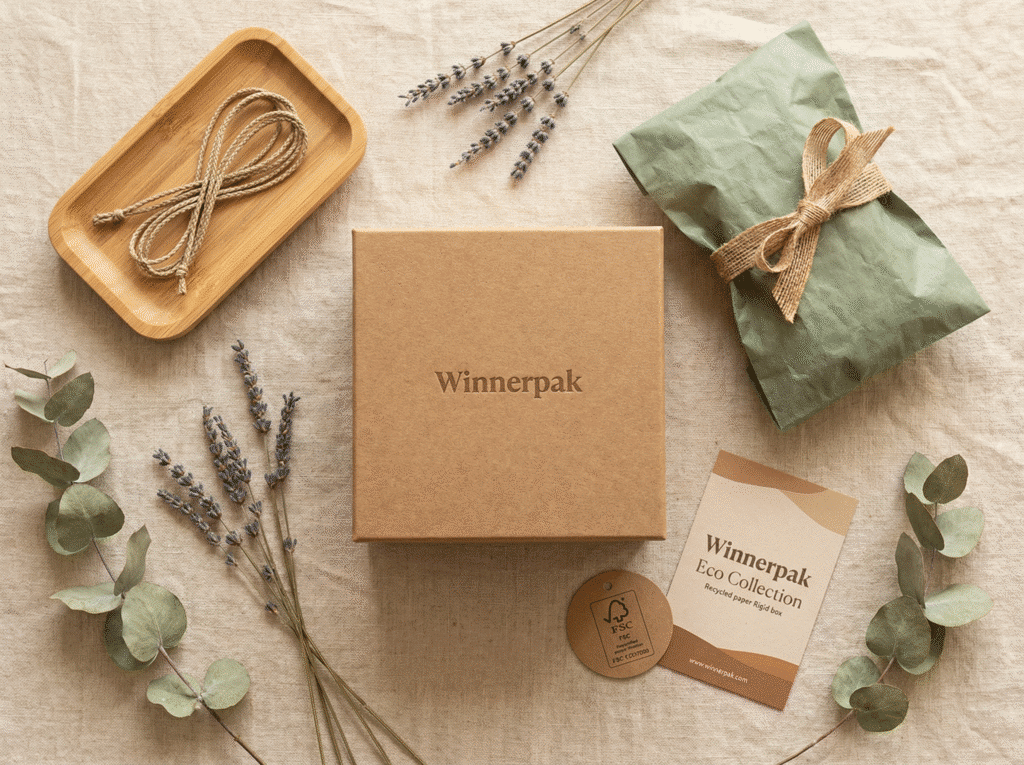
When your budget is genuinely tight, kraft paper with a custom-branded sticker is the smartest entry point. It signals authenticity, ships safely, and lets you swap stickers seasonally without reordering the whole box.
This approach works especially well for handmade and artisan jewellery brands. The natural kraft texture pairs beautifully with twine wrapping, dried botanicals, or handwritten thank-you cards.
Design tip: Order kraft boxes in bulk (1,000+ for the price drop), then customise with sticker sheets, washi tape, or stamps. You can change your seasonal look every quarter for under $50 in stickers.
5. Soft-Touch Paper Boxes with Blind Debossing
Cost range: $2.50-4.00 per unit at 300 pieces
Best for: Modern minimalist brands, quiet luxury positioning, gender-neutral collections
Quiet luxury is one of the dominant 2026 jewellery packaging trends. Big logos are out. Subtle texture is in. Blind debossing (pressing your logo into the paper without ink or foil) creates a sophisticated shadow play that whispers premium rather than shouts it.
This works particularly well for jewellery brands targeting modern professional buyers who associate restraint with quality.
Design tip: Pair blind debossing with a soft-touch lamination. The matt velvety finish feels expensive in hand, and the embossed logo creates depth that catches light at different angles. Total cost adds maybe $0.50 per unit and elevates the entire product perception.

6. Leatherette Boxes with Custom Inserts
Cost range: $3.00-5.00 per unit at 300 pieces
Best for: Watch brands, men’s jewelry, bridal collections, high-ticket pieces
Leatherette remains the material of choice for jewellery that retails above $150. It communicates permanence and value in a way that paper cannot. For small brands selling engagement rings, watches, or premium bracelets, luxury leatherette boxes justify their cost through higher conversion rates and fewer returns.
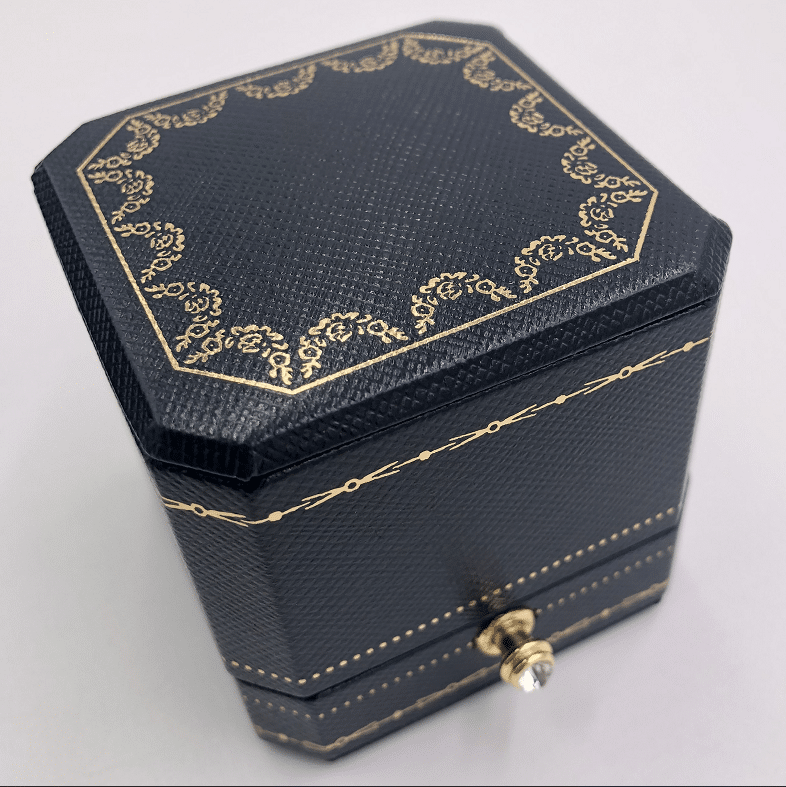
The key for small businesses: choose a versatile color (charcoal, navy, or espresso) that works across your entire collection rather than ordering different colors for each product line. One SKU, maximum impact.
Design tip: Invest in precision-cut velvet inserts that match your specific jewelry shapes. A ring that sits perfectly in its slot looks intentionally designed. A ring rattling in a generic slot looks like an afterthought.

7. Linen-Textured Boxes with golden metal decoration.
Cost range: $2.00-3.50 per unit at 500 pieces
Best for: bridal jewellery, gift-focused brands, feminine collections, seasonal packaging
Linen-textured paper is one of the fastest-growing material choices in 2026. It photographs beautifully (no glare for unboxing videos), feels organic and premium, and works across seasons. Add a satin ribbon pull for a reveal moment that extends the unboxing experience.
This is the sweet spot for small bridal jewellery brands. The linen texture reads as wedding-appropriate without being overly bridal, so the same box works for everyday pieces too.
Design tip: Choose warm ivory or soft blush linen for bridal lines. These colours look stunning in flat-lay photography and complement gold and rose gold jewellery tones.

8. Nested Box Sets (Box-in-Box Presentation)
Cost range: $5.00-8.00 per unit at 500 pieces
Best for: High-ticket items, gift occasions, brands wanting maximum unboxing impact
The nested approach uses an outer sleeve or packer box that reveals an inner jewellery box. This creates a two-stage unboxing experience that feels ceremonial. It is the same technique luxury houses use, but accessible at small-business quantities.
For a small brand selling $200+ pieces, spending $5 on packaging that creates a $500 perceived experience is the highest-ROI investment you can make.
Design tip: Use contrasting textures between outer and inner boxes. A matte-textured outer sleeve revealing a smooth, foil-stamped inner box creates sensory contrast that amplifies the luxury feeling.

9. Microfiber Pouches That Double as Polishing Cloths
Cost range: $1.50-2.50 per unit at 500 pieces
Best for: silver jewellery brands, everyday wear collections, eco-conscious positioning
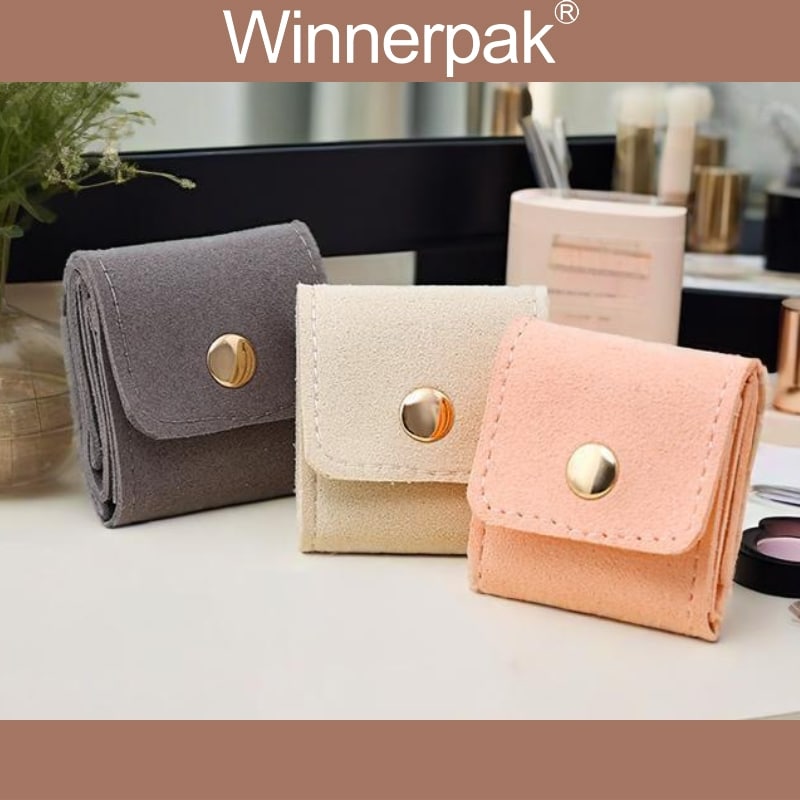
This is the smartest functional packaging play for 2026. Customers keep microfibre pouches because they are useful for cleaning jewellery. Your branded pouch sits on their vanity, reminding them of your brand every time they polish their pieces.

Reusable, multifunctional packaging is a top trend this year. Customers are tired of accumulating boxes that they will throw away. A pouch that serves a purpose beyond storage justifies its existence and keeps your brand visible.
Design tip: Print care instructions on the inside of the pouch or on a small tag. This adds value, reduces customer service questions, and positions your brand as thoughtful.
10. Modular Packaging Systems (Mix and Match)
Cost range: $1.50-4.00 per unit, depending on components
Best for: Growing brands with multiple product lines, brands selling sets
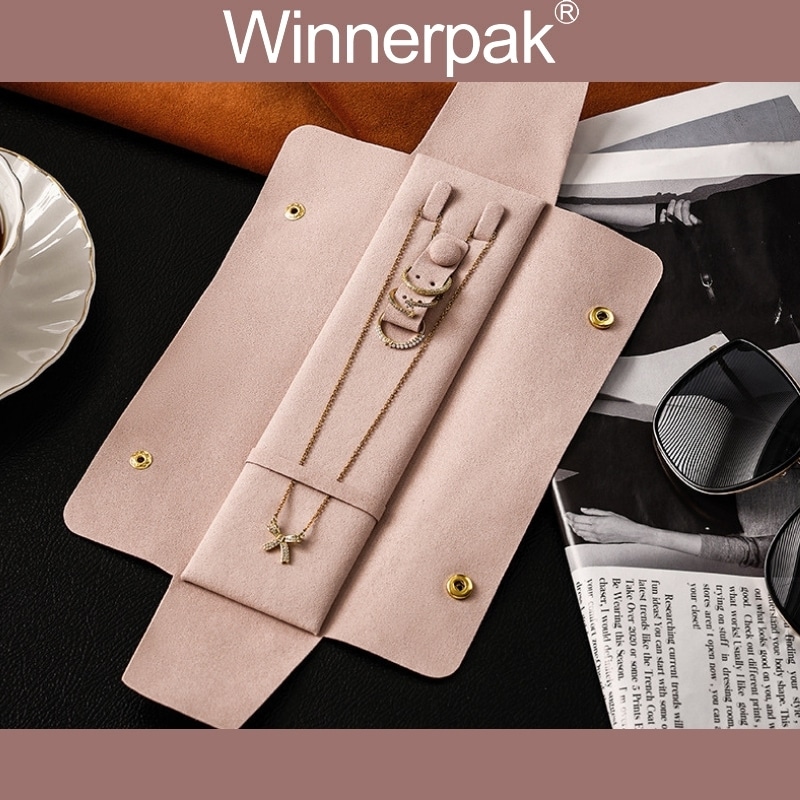
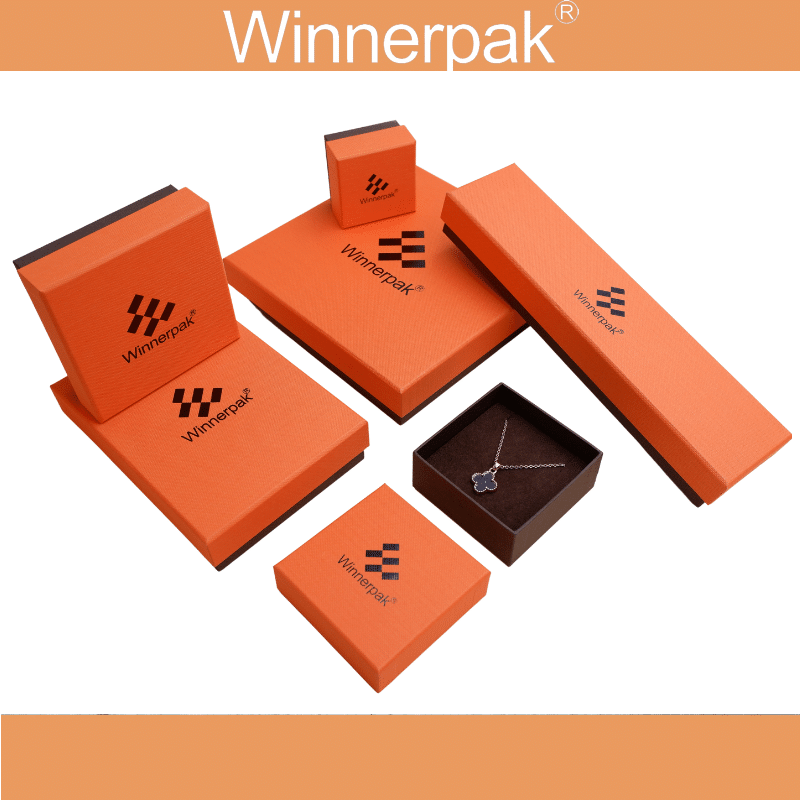
Rather than designing unique packaging for every product, create a modular system: one box style in 2-3 sizes, one pouch, one outer mailer. Consistent branding across all components builds recognition faster than varied packaging ever could.
This approach also simplifies inventory management. Instead of stocking 8 different box types, you stock 3 sizes that cover your entire collection.
Design tip: Choose one signature colour and one signature texture. Apply them consistently across all packaging components. When a customer sees that colour and texture combination, they should immediately think of your brand.
How to Choose the Right Jewelry Packaging for Your Small Business
With ten strong options on the table, the decision can feel overwhelming. Use this simple framework to narrow your choice in under 10 minutes:
Step 1: Match Packaging Cost to Product Price
A reliable rule of thumb: spend 2-5% of your retail price on packaging.
- $20-50 jewelry: $0.60-2.00 packaging (kraft, velvet pouches, basic boxes)
- $50-150 jewelry: $2.00-4.00 packaging (drawer boxes, soft-touch papers, leatherette)
- $150-500 jewelry: $4.00-8.00 packaging (nested sets, premium leatherette, custom inserts)
- $500+ jewelry: $8.00-15.00 packaging (full luxury treatment, multi-layered presentation)
Step 2: Define Your Brand Aesthetic
Before sourcing anything, write down three words that describe your brand. Are you “modern, minimal, confident” or “vintage, romantic, handcrafted”? Your packaging materials and colors should reinforce these words instantly.
Step 3: Calculate Your Realistic MOQ
Small jewelry businesses often hold back from custom packaging because they assume MOQs are too high. The reality in 2026:
- Standard designs: 100-200 pieces MOQ
- Custom colors/printing: 300-500 pieces MOQ
- Full custom structure: 500-1,000 pieces MOQ
If you are selling 50-100 pieces per month, ordering 500 boxes gives you 6 months of inventory and unlocks meaningful per-unit savings.
Step 4: Test Before You Commit
Always order samples before placing a production order. Reputable manufacturers provide custom samples within 5-7 days. Hold the packaging in your hand. Photograph it. Show it to three friends and three customers. Their first reaction tells you everything.
Common Packaging Mistakes Small Jewelry Businesses Make
After working with hundreds of emerging brands, the same five mistakes show up over and over. Avoid these to save thousands of dollars and avoid rebrand pain:
- Mistake 1: Ordering too many designs too early. Stick with one box style across your line in your first year. Variety multiplies your costs and confuses your brand.
- Mistake 2: Choosing trendy colors over signature colors. Pantone of the Year fades. Your brand color builds equity. Pick a color you can commit to for 3+ years.
- Mistake 3: Skipping the insert. A beautiful box with jewelry rattling inside undoes all your work. Inserts only cost $0.15-0.50 per unit and make every piece look intentional.
- Mistake 4: Forgetting the shipping box. Your unboxing starts when the courier hands over the package, not when the inner box opens. Match your mailer aesthetic to your inner packaging.
- Mistake 5: Working with middleman trading companies. Pay 30-50% more for slower service and less customization. Factory-direct partnerships eliminate the markup and the communication gap.

How Much Does Custom Jewelry Packaging Actually Cost for Small Businesses?
Let us get specific. Here is what real small-business orders typically look like in 2026:
Order Example 1: Etsy Seller Launching First Collection
- 300 magnetic-closure rigid boxes with logo foil stamping
- Linen-textured exterior, velvet ring insert
- Custom Pantone color match
- Total cost: $680 ($3.40 per unit)
- Sample fee: $50 (often refundable against production)
- Lead time: 25-30 days
Order Example 2: Shopify Brand Scaling to 1,000 Units/Month
- 1,000 drawer-style eco boxes with foil logo
- FSC-certified paper, molded fiber inserts
- Two-color custom print
- Total cost: $2,100 ($2.10 per unit)
- Sample fee: $80
- Lead time: 30-35 days

Order Example 3: Bridal Jewelry Brand Premium Launch
- 300 nested two-piece boxes (outer sleeve + inner box)
- Leatherette outer, velvet inner with ring insert
- Foil-stamped logo, satin ribbon pull
- Total cost: $1,650 ($5.50 per unit)
- Sample fee: $120
- Lead time: 35-40 days
These numbers represent realistic factory-direct pricing. Through agents or distributors, expect to pay 30-50% more.
The Small-Business Packaging Roadmap: Year 1 to Year 3
The smartest small jewelry brands do not try to launch with perfect packaging. They build their packaging investment in stages:
Year 1
0-1,000 units sold
Velvet pouches with branded thank-you card and kraft mailer. Total cost: $1.50-2.50 per unit.
The goal is consistency, not luxury.
Year 2
1,000-5,000 units sold
Upgrade to custom-printed rigid boxes for hero products. Maintain pouches for lower-price items. Total cost: $2.50-4.00 per unit average.
The goal is to create signature packaging that customers recognise.
Year 3
5,000+ units sold
Full custom packaging system with coordinated displays, gift packaging, and seasonal variations. Total cost: $3.50-6.00 per unit average.
The goal is owning a packaging language that competitors cannot replicate.
The brands that win do not spend the most on packaging. They spend strategically at each stage.

Working With a Factory-Direct Jewelry Packaging Manufacturer
For small businesses, partnering with a factory-direct manufacturer (rather than a domestic distributor) typically saves 30-50% on per-unit costs and unlocks customization that distributors cannot match.
What to look for in a small-business-friendly manufacturer:
- Low MOQs: 500-1000 piece starting orders
- Fast sampling: 5-7 day sample turnaround with revisions
- Direct communication: A dedicated representative who responds within 24 hours
- Material flexibility: Options across price points (kraft to leatherette)
- Sustainability options: FSC certification, plastic-free, recycled materials
- English-language support: Clear specifications, no lost-in-translation errors
- Quality control: Pre-shipment inspection included
Winnerpak specializes in supporting small and emerging jewelry brands with low-MOQ custom packaging, factory-direct pricing, and 15+ years of jewelry-specific manufacturing experience. Whether you are shipping your first 500 boxes or scaling to 10,000 units monthly, the right factory partner becomes a long-term growth asset.

Frequently Asked Questions
Q1:What is the minimum order quantity for custom jewelry packaging?
Most factory-direct manufacturers offer custom jewelry packaging starting at 1000 pieces for standard designs. Fully custom structural designs typically require 500-1,000 piece minimums. Some manufacturers offer lower MOQs for stock designs with custom logo printing only.
Q2: How much should a small jewelry business spend on packaging per unit?
A reliable rule is 2-5% of your retail price. For jewelry retailing between $50-150, that means $1-7.50 per unit on packaging. Higher-priced jewelry can justify higher packaging costs because the absolute spend stays proportional.
Q3: Can I get custom jewelry boxes with my logo at low quantities?
Yes. Custom logo printing (foil stamping, debossing, screen printing) is available starting at 500 pieces with factory-direct manufacturers. Sticker branding on standard boxes can start as low as 300 pieces.

Q4: What is the most affordable jewelry packaging that still looks premium?
Velvet pouches with foil-stamped or embroidered logos offer the best premium-to-price ratio, typically $0.80-2.00 per unit. Kraft paper boxes with custom branded stickers are another budget-friendly option starting around $0.60 per unit.
Q5: How long does it take to produce custom jewelry packaging?
Standard production timelines are 25-35 days after sample approval. Add 5-7 days for sampling and 15-25 days for shipping (depending on sea vs. air freight). Total timeline from initial inquiry to delivered packaging is typically 8-12 weeks for first orders, faster for repeat orders.
Q6: Is eco-friendly jewelry packaging more expensive?
Not significantly. FSC-certified paper, soy-based inks, and recycled materials typically add 5-15% to packaging costs versus standard materials. Some sustainable materials like kraft paper are actually less expensive than premium alternatives.